Skip to content

What is PCB Fabrication and Why is it Important for Buyers?

PCB fabrication is a crucial process in the electronics industry. It involves designing and manufacturing printed circuit boards that are essential for electronic devices. Understanding PCB fabrication helps buyers make informed decisions. It impacts the performance, reliability, and cost of electronic products.

Buyers must recognize the significance of quality PCB fabrication. A well-fabricated PCB ensures durability and functionality. However, the process can be complex and requires specialized knowledge. Many buyers overlook this aspect, leading to subpar results. This oversight can affect product success and brand reputation.

Investing time in understanding PCB fabrication leads to better purchasing choices. Buyers should collaborate with reliable manufacturers. They should verify credentials and assess previous work. Making these efforts can prevent costly mistakes and enhance product quality.
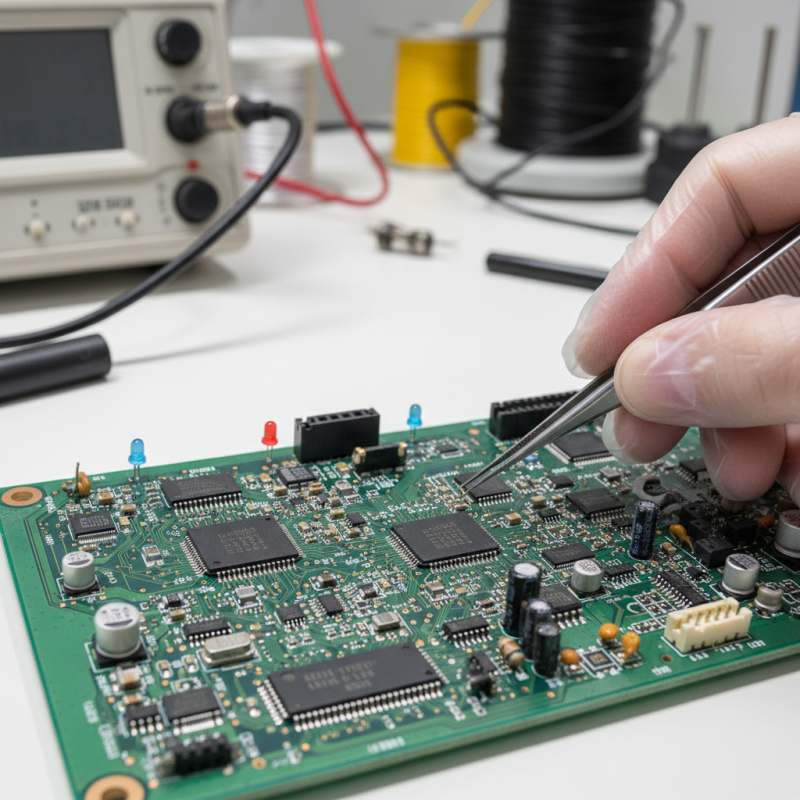
What is PCB Fabrication and Why is it Important for Buyers?

What is PCB Fabrication? Definition and Overview of the Process
What is PCB Fabrication and Why is it Important for Buyers?

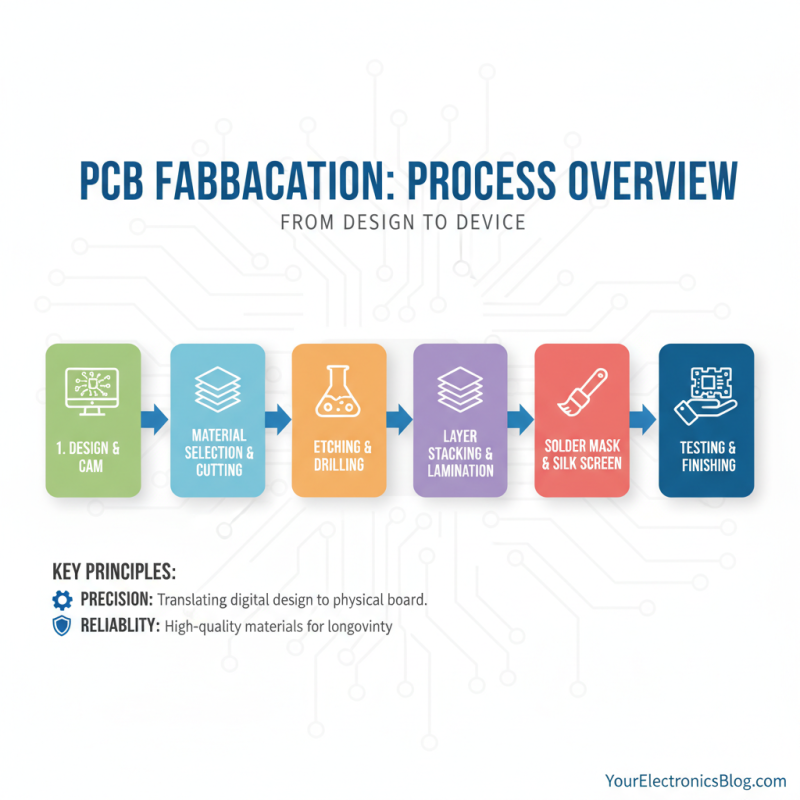
PCB fabrication is a critical process in electronics manufacturing. It involves converting a design into a physical printed circuit board (PCB). This process includes various steps such as material selection, etching, layer stacking, and solder mask application. Each step is vital to ensure the final product meets performance criteria. High-quality materials are essential. They affect reliability and longevity in devices.

In the fabrication process, precision is key. The layers in a PCB must align perfectly. Any misalignments can lead to circuit failures. Moreover, each technique used during fabrication impacts the performance of the electronics. For example, improper etching can lead to shorts. This is a common mistake and can be easily overlooked.

Buyers should understand the importance of PCB fabrication. They need to recognize that quality impacts the overall functionality of their products. Investing in well-fabricated PCBs can reduce future issues. Relying solely on price can lead to compromised performance. It is essential to evaluate the fabrication capabilities of potential manufacturers. This ensures that they can meet specific project needs and standards.

Key Materials Used in PCB Fabrication: Types and Specifications

PCB fabrication is a complex process that relies heavily on specific materials. Understanding these key materials is essential for buyers. The most common substrate used is FR-4, a glass-fiber epoxy. It provides excellent electrical insulation and mechanical strength. This material is widely used due to its affordability and reliable performance.

Copper is another crucial element in PCB fabrication. It acts as the conductive layer, allowing electrical signals to flow. The thickness of copper varies. Thicker copper can handle higher currents, while thinner options are better for compact designs. Polyimide is also used for flexible PCBs, offering heat resistance and adaptability.

Buyers should consider material specifications carefully. Each material comes with its own set of attributes. It’s important to balance performance with cost. Common pitfalls include neglecting thermal conductivity or dielectric constant. It's wise to investigate these details for better outcomes. Choosing the wrong materials can lead to performance issues in the final product.

What is PCB Fabrication and Why is it Important for Buyers?

Material Type Description Common Specifications Importance
FR-4 A composite material consisting of woven fiberglass cloth with epoxy resin. dielectric constant 4.5, thickness variations available Widely used for its good electrical insulation properties and mechanical strength.
CEM-1 A composite material made of a single layer of glass fiber and epoxy resin. dielectric constant 4.0, thickness of 1.6 mm common Used for low-cost applications with moderate performance requirements.
Polyimide High-performance material suitable for high-temperature applications. operating temperature up to 200°C Ideal for flexible circuits and environments with extreme thermal conditions.
Aluminum Metal substrate for thermal conductivity and heat dissipation. typically 0.5 mm to 1.5 mm thick Used in LED applications and locations requiring thermal management.
Rogers High-frequency circuit materials made from filled PTFE or other advanced dielectrics. low loss, high thermal stability Essential for RF and microwave applications due to signal integrity requirements.

The Role of PCB Fabrication in the Electronics Supply Chain

PCB fabrication plays a critical role in the electronics supply chain. Its importance extends beyond mere production. Fabrication quality directly influences device reliability and performance. According to industry reports, over 70% of electronic failures stem from PCB defects. This highlights the need for meticulous manufacturing processes.


The role of PCB fabrication is multifaceted. Firstly, it dictates the scalability of production. High-quality fabrication can handle both small and large runs efficiently. This adaptability is crucial for manufacturers facing fluctuating demand. Moreover, the advancement in fabrication technologies aids in reducing production costs. A recent study suggests that the shift towards automated fabrication processes can lower costs by up to 30%.


Sourcing PCBs from reputable fabricators is essential. Buyers must consider the capability and reliability of their suppliers. Poor fabrication can lead to supply chain disruptions. This can result in financial losses and damaged reputations. The electronics industry thrives on trust and accountability, making informed choices vital for success. Engaging with transparent, skilled fabrication partners ensures product integrity.

Industry Trends: Market Growth and Demand for PCB Fabrication

The PCB fabrication industry is witnessing remarkable growth. According to a recent report, the global PCB market is projected to reach $83 billion by 2026, driven by advances in technology and rising demand across multiple sectors. Electronics, automotive, and telecommunications are key contributors. As devices become more sophisticated, the need for high-quality PCBs escalates.

One industry trend includes the shift towards smaller, more compact designs. Manufacturers are investing in microelectronics and flexible PCBs. These innovations not only enhance performance but also reduce material waste. However, this poses challenges. Buyers must ensure that manufacturers can meet these new specifications without compromising quality.

**Tips:** When selecting a PCB manufacturer, prioritize those with proven industry experience. Quality certifications are crucial. Additionally, assess their production capabilities and lead times. Engaging with a manufacturer that keeps pace with trends offers a strategic advantage.

Maintaining cost efficiency remains a struggle for many buyers. Fluctuating material prices and increased labor costs can impact overall pricing. Understanding market dynamics helps buyers negotiate better contracts. Staying informed about technological advancements can further enhance procurement strategies.

Cost Factors in PCB Fabrication: What Buyers Should Consider

Understanding the cost factors in PCB fabrication is crucial for buyers in the electronics industry. Prices can fluctuate based on various aspects. Material selection significantly influences cost. Standard materials like FR-4 are often cheaper. However, specialized materials might increase expenses. According to industry reports, material costs can account for up to 40% of total PCB fabrication expenses.

Another factor is complexity in design. More layers and intricate features elevate costs. Complex designs require advanced manufacturing techniques. A study by IPC shows that the average cost increases by 15-25% for each additional layer beyond four layers. Buyers need to anticipate these factors when planning budgets.

Don’t overlook additional services like testing and assembly. These can add 20-30% to final costs. Thoroughly understanding these elements aids buyers in making informed decisions. Balancing quality and price is essential. Many buyers experience sticker shock when they first review quotes. By knowing what drives costs, they can tailor their requests and manage expectations effectively.

Cost Factors in PCB Fabrication

This chart illustrates the various cost factors involved in PCB fabrication. Understanding these costs is essential for buyers to budget effectively and make informed purchasing decisions.