What is PC Boards and Why are They Essential for Your Business?
In the rapidly evolving landscape of technology, PC boards play a vital role in powering electronic devices across various industries. According to a recent report by MarketsandMarkets, the global printed circuit board market is projected to reach $83.2 billion by 2026, growing at a CAGR of 4.1%. This demonstrates the increasing demand for high-quality PC boards, which are fundamental in circuit design and functionality. These boards serve as the backbone of electronics, connecting different components and enabling seamless communication.
Businesses that prioritize quality PC boards can gain a competitive edge. For example, companies in the automotive and aerospace sectors rely heavily on highly reliable, durable PC boards to ensure safety and efficiency. However, the challenges in sourcing and manufacturing PC boards can lead to delays and increased costs. Many businesses struggle with finding suppliers who can meet the necessary quality standards.
Investing in trusted PC board sourcing is crucial for long-term success. A commitment to durability and advanced technology should guide decision-making. The reliance on effective PC boards is evident, but it also invites scrutiny on how well businesses adapt to the evolving demands. As technology advances, the pressure to innovate in PC board design and manufacturing also increases. This calls for businesses to not only understand the importance of PC boards but also to continuously reflect on their strategies in this area.
What are PC Boards and Their Functionality in Electronics?
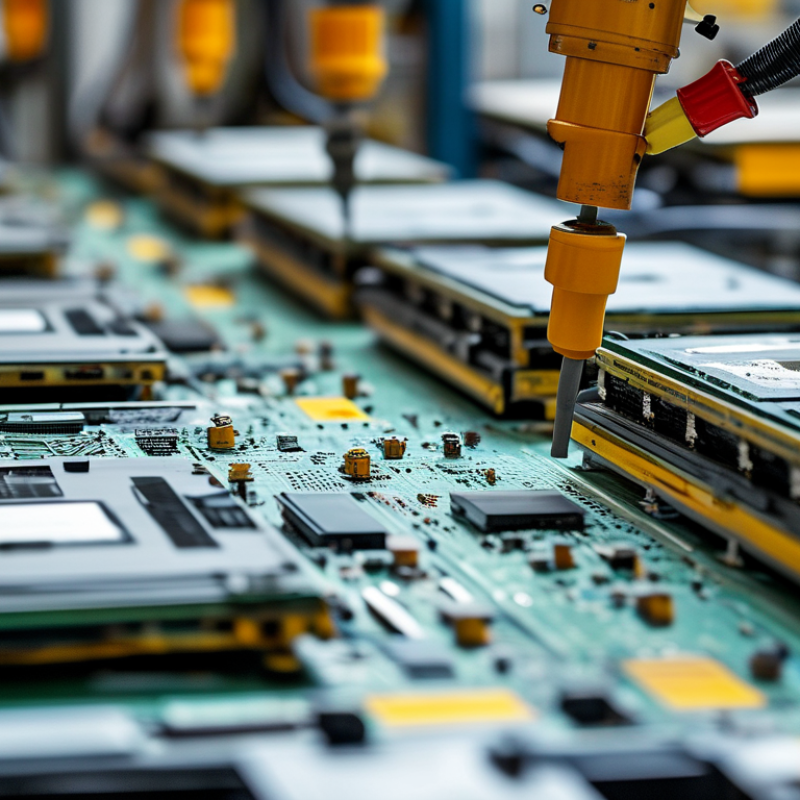
PC boards, commonly known as printed circuit boards (PCBs), are a crucial element in the realm of electronics. They serve as the backbone for electronic devices, providing support and pathways for electrical components. These boards facilitate the connection between different electronic parts, such as resistors, capacitors, and microchips. Without PCBs, the functionality of modern devices would be significantly hindered.
The functionality of PCBs extends to various applications, including consumer electronics, automotive systems, and industrial machinery. They manage the electrical signals that power these devices. Designed with precision, PCBs can integrate complex circuits into a compact space. However, the manufacturing process is not without its challenges. Issues like improper soldering or layering can lead to circuit failures. Understanding these pitfalls is essential for businesses to improve product reliability.
For companies relying on electronics, investing in quality PCBs is vital. They offer not just support but also ensure efficient operation. The design and fabrication of PCBs require specialized knowledge and skills. A lack of expertise in this field can result in costly mistakes. A focus on quality control during production is necessary, yet often overlooked. Balancing cost-saving measures with the need for reliability is a continuous struggle in the industry.
Types of PC Boards: An Overview of Common Variants
Understanding the different types of PC boards is crucial for your business. PC boards serve as the backbone of your electronic devices, providing structural support and electrical connections. The most common types include Single-Sided, Double-Sided, and Multi-Layered PCBs.
Single-Sided PCBs are the simplest type. They have components on one side, making them easy to manufacture. They are often used in low-cost and simple electronic devices. Double-Sided PCBs have components on both sides, allowing for more complex designs. This type handles a greater number of components and connections, suitable for many consumer electronics.
Multi-Layered PCBs consist of several layers. They enable complex circuit designs and are essential for high-performance applications. Their construction can lead to higher manufacturing costs, which may be a consideration. Each type has its unique advantages and challenges.
When selecting a PCB type, consider your device's requirements. Think about cost, complexity, and reliability. It’s essential to balance these factors for your project's success. Evaluate the performance needs and future scalability as well. An informed choice can enhance both functionality and profitability in your business.
The Manufacturing Process of PC Boards: Steps Involved
The manufacturing process of PC boards involves several critical steps. Each phase plays a crucial role in ensuring the functionality and reliability of the final product. Initially, design specifications are created. Engineers use software to draft detailed schematics and layouts. This step is fundamental to prevent future errors.
Once the design is finalized, the actual production begins. Raw materials, mainly copper-clad laminate, are prepared. The boards are etched using chemical processes. This removes unwanted copper, leaving behind the necessary circuitry. It's vital to monitor the etching carefully. Over-etching can lead to circuit damage, while under-etching may cause connectivity issues.
During assembly, components are placed on the board. Placement accuracy is essential to ensure proper operation. However, this is often where mistakes occur. Misplacement can lead to a malfunctioning product. Therefore, double-checking each component is recommended. The final inspection involves testing for defects. Automated systems often assist, but human oversight remains important.
Consider examining your current process. Are any steps being overlooked? Regular audits can help identify areas needing improvement. Always seek feedback from your team. They can offer insights based on hands-on experience. Remember, a small oversight today can lead to significant issues tomorrow.
Importance of PC Boards in Modern Business Operations
PC boards, also known as printed circuit boards (PCBs), are fundamental in modern business operations. They provide the necessary infrastructure for electronic devices to function properly. A recent industry report indicates that the global PCB market is projected to reach approximately $80 billion by 2025, driven mainly by the increasing demand for consumer electronics and advanced technologies. This growth highlights the critical role PCBs play in supporting innovative business solutions.
The integration of PCBs into devices allows for enhanced functionality and performance. For instance, a well-designed PCB can reduce signal interference, contributing to overall product reliability. However, the complexities involved in PCB manufacturing and design often lead to challenges. Many businesses struggle with quality control, which can undermine production efficiency. Statistics show that nearly 30% of PCBs manufactured experience defects. This emphasizes the need for rigorous testing and quality assurance processes.
Moreover, the shift towards environmentally friendly practices has placed additional pressure on PCB manufacturers. As regulations tighten, companies must adapt to sustainable practices while maintaining performance standards. The need for continuous improvement in design and fabrication processes is more critical than ever. This dynamic is reshaping how businesses approach PCB procurement and lifecycle management, ensuring they remain competitive in a rapidly evolving market.
Importance of PC Boards in Modern Business Operations
PC boards are critical components in electronic devices, and understanding the time spent in each phase of their production highlights their importance in modern business operations.
Future Trends in PC Board Technology and Industry Impact
As industries evolve, so do the technologies behind PC boards. These essential components facilitate electronic connectivity, influencing everything from consumer electronics to automotive systems. With the rise of the Internet of Things (IoT), there's a growing demand for smaller, more efficient PC boards. This trend poses challenges in design and manufacturing but also opens opportunities for innovation.
One significant trend is the shift towards eco-friendly materials. Manufacturers are exploring biodegradable options to reduce environmental impact. This shift is not simple; it requires significant research and development. Not all companies are ready to adopt these changes, as cost concerns often prevail. However, businesses that embrace eco-friendly materials may gain a competitive advantage.
Another emerging area is the integration of artificial intelligence in PC board design. AI can optimize layouts and predict failures before they occur. Yet, reliance on AI brings its own set of risks. Trusting algorithms without human oversight is problematic. As we move forward, balancing innovation with ethical considerations will be crucial. These trends will shape the future of PC boards, impacting various industries as they adapt to new technologies.