Top 10 Insights on Printed Circuit Board Manufacturing Trends?
The printed circuit board manufacturing industry is evolving rapidly. Recent studies show that the global market is expected to reach $80 billion by 2026. This growth is driven by the increasing demand for electronics in various sectors, including automotive and consumer goods. Industry expert Dr. Emily Chen states, “Innovation in printed circuit boards will redefine how we perceive technology.”
As sustainability becomes a priority, many manufacturers are looking for eco-friendly materials. Reports indicate that nearly 30% of firms are investing in greener processes. This shift is crucial, as not all companies have embraced these changes. Many continue using outdated methods, which could hinder their competitiveness.
The complexities of the supply chain also pose challenges. Disruptions have been frequent, affecting production timelines and costs. Addressing these issues requires a careful review of current practices. The need for adaptability in printed circuit board manufacturing is more critical than ever. As we explore the top trends, it’s essential to reflect on both the opportunities and obstacles within this dynamic industry.

Current Innovations in PCB Manufacturing Technologies
The landscape of printed circuit board (PCB) manufacturing is rapidly evolving.
New innovations are redefining production processes.
For example, advancements in additive manufacturing are becoming prominent. This method reduces waste and enhances precision.
It allows for complex designs that traditional methods struggle to achieve.
Automation is another key trend in PCB manufacturing. Factories are increasingly adopting robotics to streamline operations.
This not only increases efficiency but also lowers the risk of human error. However, the transition to automated systems can be challenging.
Companies must invest in training and technology to keep pace.
Tips: Embrace these innovations gradually. Start with pilot projects to assess their impact.
Additionally, consider ongoing education in PCB technologies for your team. Keeping up with trends ensures your business remains competitive.
The complexities of these changes may seem daunting, but they hold the potential for significant improvement.
Impact of Miniaturization on PCB Design and Production
The trend towards miniaturization in electronics is profoundly impacting PCB design and production. As devices shrink, PCBs must adapt to tighter spaces. Reports indicate that over 60% of manufacturers face challenges with these smaller designs. The need for increased functionality within limited real estate poses significant engineering hurdles.
A key factor in miniaturization is the demand for higher component density. Industry data shows that multi-layer PCBs are becoming more common. These boards can accommodate more connections in a compact area, allowing for enhanced performance. However, this complexity can lead to higher production costs and longer lead times. Effective thermal management also becomes paramount, as denser designs generate more heat.
Furthermore, the push for miniaturization drives innovations in materials. Advanced substrates are necessary to achieve the desired electrical performance without compromising size. While these materials can enhance functionality, they may also require more sophisticated manufacturing processes, which are not always accessible to all manufacturers. Balancing performance, size, and cost remains a critical challenge in the evolving landscape of PCB manufacturing.
Impact of Miniaturization on PCB Design and Production
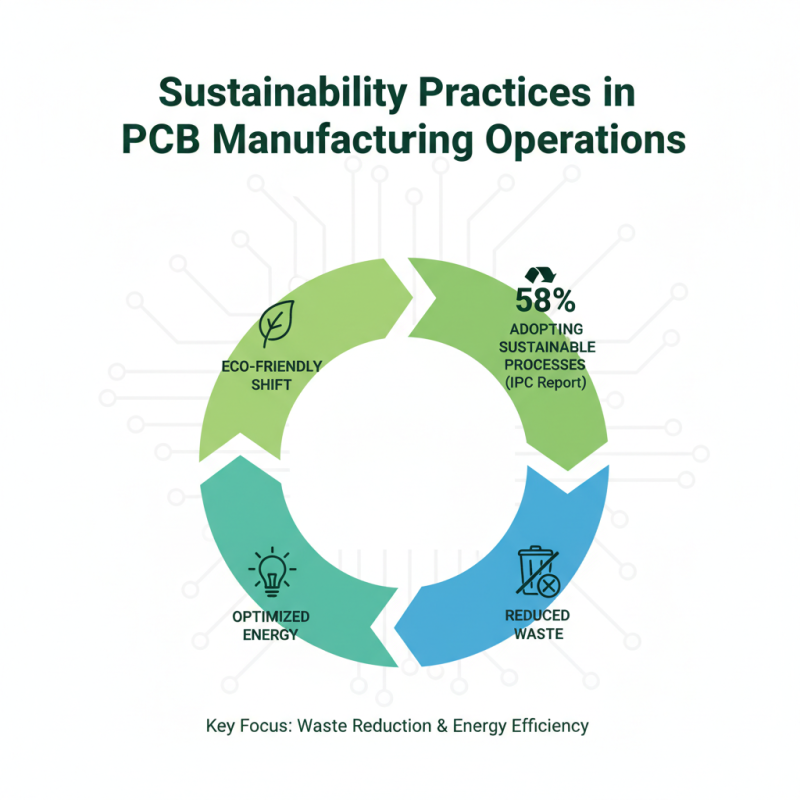
Sustainability Practices in PCB Manufacturing Operations
Sustainability has become a focal point in PCB manufacturing operations. The industry is witnessing a shift towards eco-friendly practices. According to a recent IPC report, 58% of manufacturers are actively integrating sustainable processes. This includes reducing waste and optimizing energy consumption.
Additionally, recycling materials plays a vital role in sustainability. Studies indicate that recycling copper can save up to 85% of the energy needed for primary production. Yet, many manufacturers struggle to implement efficient recycling systems. Only 30% of PCB manufacturers have a formal recycling program in place. This gap highlights an area needing improvement.
Moreover, the use of greener materials is gaining traction. Biodegradable substrates are emerging as alternatives to traditional materials. However, the adoption rate remains low. Many in the industry express concerns over performance and cost. Balancing environmental impact with functionality poses challenges. As the industry evolves, addressing these issues will be crucial for greater sustainability in PCB manufacturing.
Emerging Materials and Their Role in PCB Development
Emerging materials play a crucial role in the evolution of printed circuit board (PCB) manufacturing. The push for higher efficiency in electronics has led to innovations in material science.
Advanced substrates such as polyimide and LCP (Liquid Crystal Polymer) are gaining traction. These materials offer enhanced thermal stability and lower dielectric losses, helping to meet the demands of modern devices.
As manufacturers explore alternatives, they also face challenges. New materials can complicate the production process. Understanding their properties and how they interact with existing technologies is essential. For example, while thermoplastics are lightweight, they may require different fabrication techniques. This is a key area for engineers to research further.
Tip: When exploring new materials, conduct thorough testing to understand compatibility with current systems.
Furthermore, eco-friendly materials are on the rise. Biodegradable substrates and non-toxic coatings are becoming more common. The industry is shifting towards sustainability, influenced by consumer demand. Yet, the transition can be difficult. Assessing long-term durability versus environmental benefits is necessary.
Tip: Engage with material suppliers to gather insights on the latest sustainable options.
In summary, emerging materials are shaping PCB development. Their impact is both positive and complex, requiring careful consideration from manufacturers. As the industry evolves, staying informed will be critical for success.
Trends in Automation and Smart Manufacturing for PCBs
The printed circuit board (PCB) industry is rapidly evolving due to advancements in automation and smart manufacturing. One major trend is the increased use of robotic systems in assembly lines. These robots streamline processes, improve precision, and reduce labor costs. However, relying heavily on automation raises questions about job displacement and the need for skilled workers to manage these systems.
Smart manufacturing technology, such as IoT devices, is also gaining traction in PCB production. These devices collect real-time data, enhancing decision-making capabilities. For example, smart sensors can monitor equipment performance, reducing downtime and maintenance needs. Yet, implementing these technologies can be challenging. Companies must invest in training and adapt their existing processes, which can be resource-intensive.
The shift towards automation and smart solutions presents new challenges. Quality control remains a concern; automated systems may overlook defects that human inspectors catch. Balancing tech integration with traditional methods is vital. While automation offers efficiency, companies must not ignore human expertise in ensuring product reliability. The future of PCB manufacturing will require this delicate balance to thrive.
Top 10 Insights on Printed Circuit Board Manufacturing Trends
| Trend |
Description |
Impact |
Projected Growth (%) |
| Increased Automation |
Adoption of robotic process automation to enhance efficiency. |
Reduces labor costs and increases production speed. |
15% |
| Smart Manufacturing |
Integrating IoT devices for real-time monitoring. |
Enhances quality control and reduces downtime. |
20% |
| Sustainability Initiatives |
Focus on eco-friendly materials and processes. |
Improves brand image and complies with regulations. |
25% |
| Miniaturization |
Trend towards smaller components for compact designs. |
Enables more compact devices with advanced capabilities. |
30% |
| Advanced Materials |
Use of new substrates and laminates for better performance. |
Increases thermal and electrical efficiency. |
18% |
| Flexible Circuits |
Growing demand for flexible and bendable circuits. |
Supports innovative product designs and applications. |
40% |
| AI and Machine Learning |
Incorporation of AI for predictive maintenance. |
Reduces operational costs and increases reliability. |
22% |
| Supply Chain Resilience |
Strategies to mitigate supply chain disruptions. |
Ensures consistent production and delivery. |
12% |
| Enhanced Testing Procedures |
New methods for quality testing and assurance. |
Improves defect detection and product reliability. |
14% |
| Digital Twin Technology |
Simulations for design and manufacturing processes. |
Enhances process efficiency and product innovation. |
10% |