Skip to content

2026 Top Monitoring Device Types for Global Buyers?

The 2026 market for Monitoring Device solutions will be shaped by connectivity, accuracy, and practical deployment. Global buyers now compare more than specifications. They examine battery life, data security, sensor reliability, integration, and after-sales support.

According to IoT Analytics’ State of IoT report, connected IoT devices are expected to exceed 20 billion globally by 2025. This expansion supports demand for asset trackers, industrial sensors, environmental monitors, and smart building systems. IDC’s Worldwide Quarterly Wearable Device Tracker also reported more than 500 million wearable shipments in 2024. Smartwatches, health bands, and professional wearables are moving into mainstream procurement.

The healthcare segment needs careful attention. The World Health Organization reports that around 1.28 billion adults aged 30 to 79 live with hypertension. This figure helps explain growing interest in blood pressure monitors, ECG devices, glucose systems, and remote patient monitoring tools. However, device availability does not guarantee clinical value. Poor calibration can create false confidence.

Buyers should test devices in real conditions. A warehouse scanner may face dust, cold storage, and weak signals. A home health monitor may serve users with limited technical skills. These details matter.

Still, not every forecast will remain accurate. Technology cycles change quickly. Regional infrastructure also differs. This guide compares the leading Monitoring Device types for global buyers, using market evidence, practical purchasing criteria, and professional standards. Reliability should lead the decision. Cost alone can mislead.
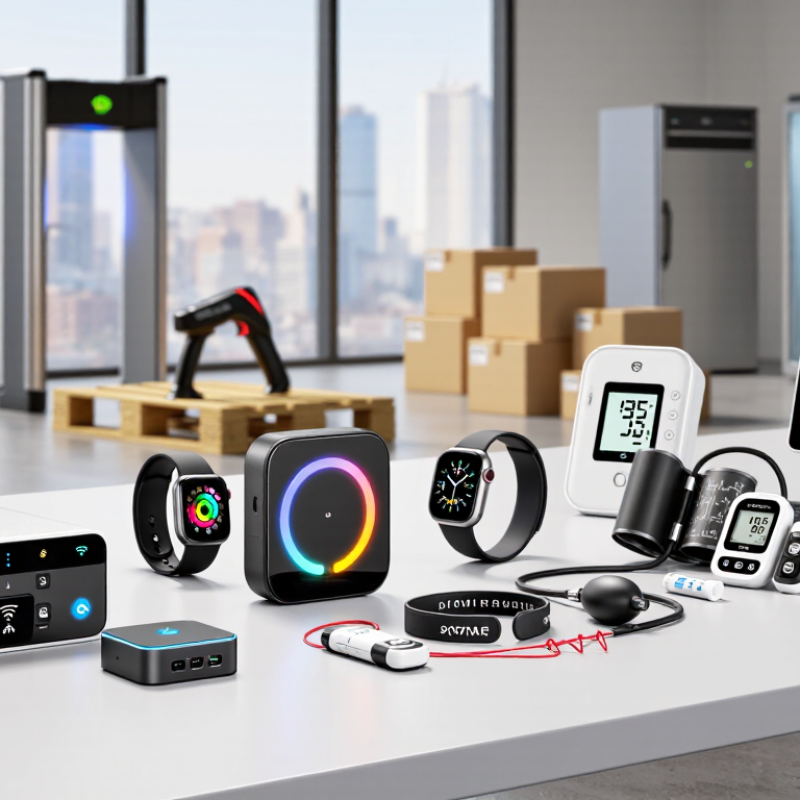
2026 Top Monitoring Device Types for Global Buyers?

What Are Monitoring Devices and How Are They Classified?

Monitoring devices are tools that sense, record, transmit, or display changes in people, assets, environments, or processes. Their classification should follow purpose, measured signal, and operating setting. Common types include vital-sign monitors, wearable activity trackers, environmental sensors, equipment-condition monitors, location devices, and security detectors. A pulse oximeter measures a physiological signal. A temperature sensor may protect medicine, food, or machinery. Similar hardware can serve different industries.

18.8 billion

The market is already broad. IoT Analytics reported 18.8 billion connected IoT devices worldwide in 2024.

520.5 million

IDC’s Worldwide Quarterly Wearable Device Tracker recorded 520.5 million wearable-device shipments in 2023.

These figures suggest that monitoring is moving from specialist equipment into homes, factories, vehicles, and logistics networks. Yet device count does not equal monitoring quality. Battery life, calibration, data delay, connectivity, and user training can change the result.

For global buyers, a practical classification uses four questions:

What is measured?
Where is it used?
How often is data collected?
Who acts on an alert?

Medical monitoring requires attention to standards such as IEC 60601. Industrial equipment may need vibration, pressure, or thermal analysis. Environmental systems often combine air-quality, humidity, and temperature sensing. The categories overlap. That is the difficult part. A wearable may support wellness, clinical observation, or worker safety, depending on its validated purpose. Product descriptions sometimes blur these boundaries, so buyers should inspect accuracy evidence, testing conditions, maintenance needs, and regional compliance records.

Which Monitoring Device Types Will Lead Global Markets in 2026?

Which Monitoring Device Types Will Lead Global Markets in 2026?

In 2026, wearable health monitors are likely to lead consumer demand. Smart rings, watches, and skin sensors can track heart rate, sleep patterns, temperature, and activity. Their small size supports daily use in homes, clinics, and workplaces. Buyers will value longer battery life and clearer medical data. However, comfort still matters more than many product forecasts suggest. A device left in a drawer creates no useful insight.

Remote patient monitoring devices should also expand across aging populations and outpatient care. Connected blood pressure monitors, glucose readers, pulse oximeters, and digital scales can send measurements to approved care teams. Reliable systems need accurate sensors, simple interfaces, and secure data transfer. Clinical professionals should review evidence before treating device readings as diagnoses. Home conditions can affect results, sometimes significantly.

Industrial monitoring will remain a strong global segment. Wireless vibration sensors, temperature probes, air-quality monitors, and equipment trackers can reveal early maintenance risks. In factories, ports, and warehouses, operators need alerts that are fast but not excessive. Too many warnings create fatigue. Environmental monitoring may grow as cities measure heat, pollution, water quality, and workplace exposure. Regional infrastructure will shape adoption, so one global strategy may fail. Buyers should test devices in real operating conditions, check calibration procedures, and examine data protection requirements before large-scale deployment.

2026 Top Monitoring Device Types for Global Buyers?

Which Monitoring Device Types Will Lead Global Markets in 2026?

Rank Monitoring Device Type Primary Parameters Monitored Main Global Buyer Groups Key 2026 Demand Drivers Current Adoption 2026 Market Outlook
1 Multiparameter Patient Monitors ECG, heart rate, non-invasive blood pressure, SpO₂, temperature and respiratory rate Hospitals, intensive-care units, emergency departments and operating rooms Hospital capacity expansion, critical-care demand, centralized monitoring and interoperability requirements Very High Very Strong
2 Wearable Vital-Sign Monitors Heart rate, activity, sleep, skin temperature, oxygen saturation and selected ECG features Consumers, occupational-health providers, outpatient programs and remote-care services Preventive care, remote patient monitoring, miniaturized sensors and smartphone connectivity High Very Strong
3 Blood Glucose Monitoring Devices Blood glucose concentration, glucose trends, time-in-range and high/low alerts Diabetes clinics, pharmacies, home-care users and public-health programs Growing diabetes burden, home-based disease management and increased use of continuous monitoring Very High Very Strong
4 Blood Pressure Monitors Systolic blood pressure, diastolic blood pressure and pulse rate Homes, primary-care facilities, pharmacies and hypertension-management programs High prevalence of hypertension, low-cost home monitoring and preventive-care initiatives Very High Strong
5 Pulse Oximeters Peripheral oxygen saturation, pulse rate and, in selected models, perfusion indicators Hospitals, respiratory clinics, home-care users and emergency-response services Respiratory disease management, home care, emergency assessment and portable diagnostic workflows High Strong
6 Electrocardiography Devices Cardiac electrical activity, rhythm, heart rate and selected arrhythmia indicators Cardiology departments, hospitals, ambulatory-care centers and telehealth providers Cardiovascular disease screening, ambulatory monitoring and demand for compact diagnostic equipment High Strong
7 Respiratory and Sleep Monitors Respiratory rate, airflow, respiratory effort, oxygen saturation and sleep-related events Sleep centers, pulmonary clinics, hospitals and home respiratory-care providers Increasing recognition of sleep-related breathing disorders, chronic respiratory care and home diagnostics Medium–High Strong
8 Maternal and Fetal Monitors Fetal heart rate, uterine activity and maternal vital signs Maternity hospitals, obstetric departments and maternal-health programs Maternal-care investment, improved obstetric surveillance and demand for portable monitoring systems Medium–High Moderate–Strong
Assessment basis: The 2026 outlook reflects the combination of established global clinical use, chronic-disease prevalence, home-care adoption, remote-monitoring demand, portability and connectivity requirements. “Current Adoption” and “2026 Market Outlook” are comparative category assessments rather than company-specific market-share figures.

How Do Wearable and Personal Monitoring Devices Work?

Wearable and personal monitoring devices turn body signals into readable information. A wrist device may use optical sensors to estimate pulse through changing blood flow. Some models track oxygen saturation, skin temperature, movement, sleep patterns, or heart rhythm. Chest-worn sensors often capture electrical signals with greater stability during exercise. A patch can record continuously while someone works, sleeps, or walks. Small sensors, real routines.

These devices collect data through skin contact, then software filters motion noise and detects patterns. Algorithms compare measurements with personal baselines, not only population averages. Alerts may appear when readings cross a selected threshold. That threshold needs careful clinical review. Loose straps, sweat, tattoos, cold fingers, and poor contact can affect results. I have found that comfortable placement often improves consistency more than complicated settings. One reading can mislead.

Reliable use depends on sensor quality, transparent testing, secure data handling, and clear instructions. Buyers should check validation evidence, measurement conditions, update policies, and professional interpretation options. A wearable can support earlier conversations with a clinician, but it cannot confirm every condition. I sometimes trust tidy graphs too quickly. They look precise. Human health remains messier. Recording symptoms, activity, and measurement context can make the data more useful.

How Are Industrial, Environmental, and Security Monitors Used?

Industrial monitors help global buyers understand what machines are doing in real time. Temperature probes can reveal overheating motors before production stops. Vibration sensors may expose worn bearings, loose mounts, or unbalanced shafts. Pressure and flow monitors support safer process control. Energy meters also show where a facility wastes power.

Environmental monitors measure conditions beyond the factory floor. Air-quality devices track particulate matter, carbon dioxide, and volatile compounds. Weather stations record wind, rainfall, and temperature around warehouses or construction sites. Water-level sensors can warn operators about flooding near pumps and storage areas. However, readings need regular calibration. Dust, moisture, and poor placement can distort results. A clean screen does not guarantee clean data.

Security monitors support access control, perimeter awareness, and incident review. Door sensors can flag unusual opening times, while cameras and motion detectors help verify activity. Operators should define retention periods and limit access to authorized staff. Privacy protection matters, even in commercial facilities. A useful system should combine alerts with human judgment. Too many alarms create fatigue. Too few create blind spots. In practice, buyers should test devices under heat, vibration, darkness, and network interruption before wider deployment. Some specifications look impressive on paper, yet field conditions can expose weaknesses.

What Factors Should Global Buyers Consider Before Purchasing?

2026 Top Monitoring Device Types for Global Buyers

Global buyers should compare purpose before specifications. Wearable monitors suit continuous activity, heart-rate, and sleep tracking. Bedside vital-sign monitors support hospitals and clinics. Remote patient monitoring kits add connected blood-pressure, glucose, temperature, or oxygen measurements. Industrial buyers may need vibration, pressure, gas, or temperature sensors instead. The application changes everything.

Demand is expanding, but procurement evidence matters. IoT Analytics estimated 18.8 billion connected IoT devices worldwide in 2024. That scale increases integration and cybersecurity risks. Buyers should check data encryption, user permissions, update policies, and local data-storage requirements. A device should also support established interfaces, such as Bluetooth Low Energy, Wi-Fi, or secure API connections. Compatibility often costs more than the hardware. Check it early.

Clinical devices require stronger proof. The World Health Organization reports that noncommunicable diseases cause about 74% of global deaths, increasing pressure for reliable long-term monitoring. Buyers should request validation studies, calibration intervals, measurement accuracy, and relevant IEC 60601 documentation.

Battery life must match real workflows, not showroom claims. A rural clinic may need solar backup and offline storage. A crowded ward may need alarms that staff can actually hear. That sounds obvious. It is often missed.

Total cost should include training, replacement sensors, software fees, technical support, and disposal. I would also test a small deployment first; written specifications rarely reveal confusing screens, weak connectivity, or uncomfortable wearables.